
Chennai Egmore Railway Station
Indian Railways / RLDA · Chennai, Tamil Nadu · MegAtec 310, 340, 360, SeismAtec 450 and MegAtec 610
Metro & rail · Seismic Zone III
A working railway station that never closed. The movement rating was never the hard part — the access was.
| Client | Indian Railways / RLDA |
|---|---|
| Location | Chennai, Tamil Nadu — Seismic Zone III under IS 1893 |
| Sector | Metro & rail |
| Gap range | 100, 150 and 200 mm |
| Scope | Design of the joint schedule, manufacture in India, and installation by our own crews |
Systems supplied
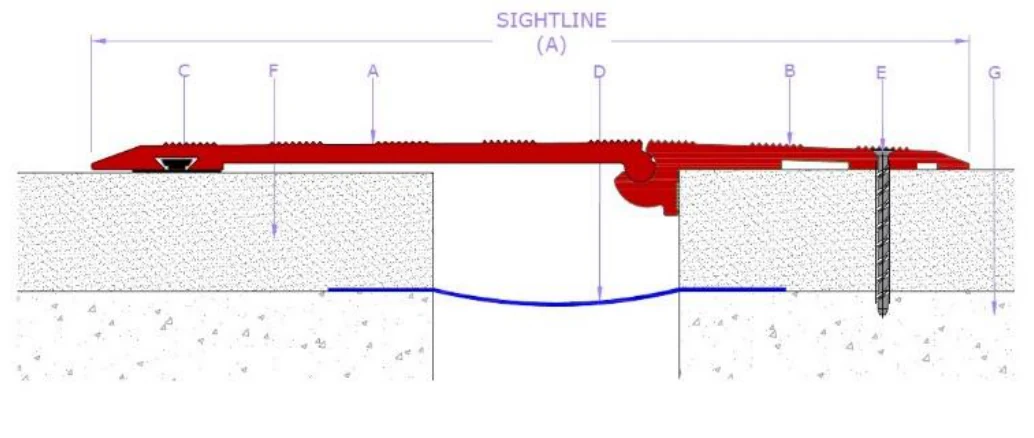
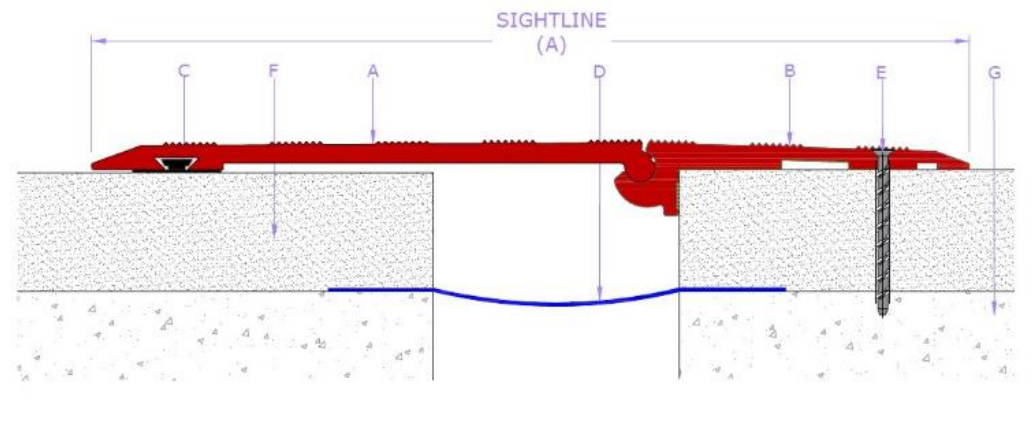 MegAtec 310Floor and floor-to-wall, no visible fixings, gaps 50–250 mmMade in IndiaFloor
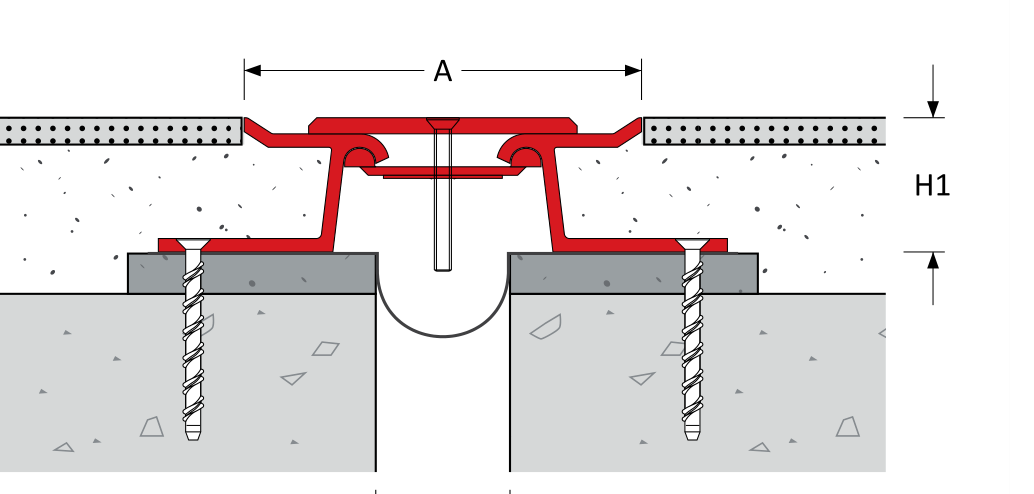 MegAtec 340Hairline serrated slip-resistant surface, ADA compliantMade in IndiaFloor
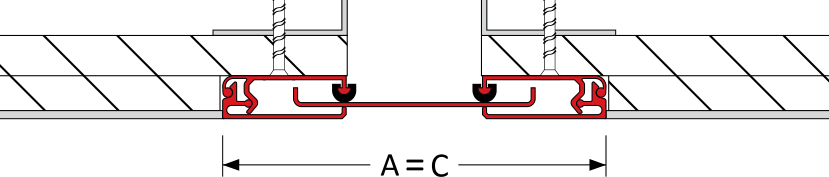 MegAtec 360Wall, corner and ceiling, gaps 25–200 mmMade in IndiaWallCeiling
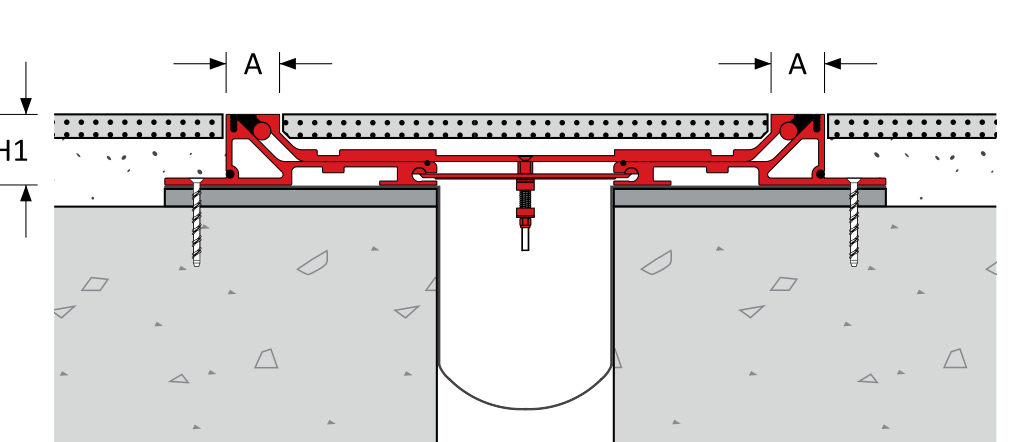 SeismAtec 450Central-pan seismic floor joint, gaps 50–500 mmMade in IndiaFloorSeismic
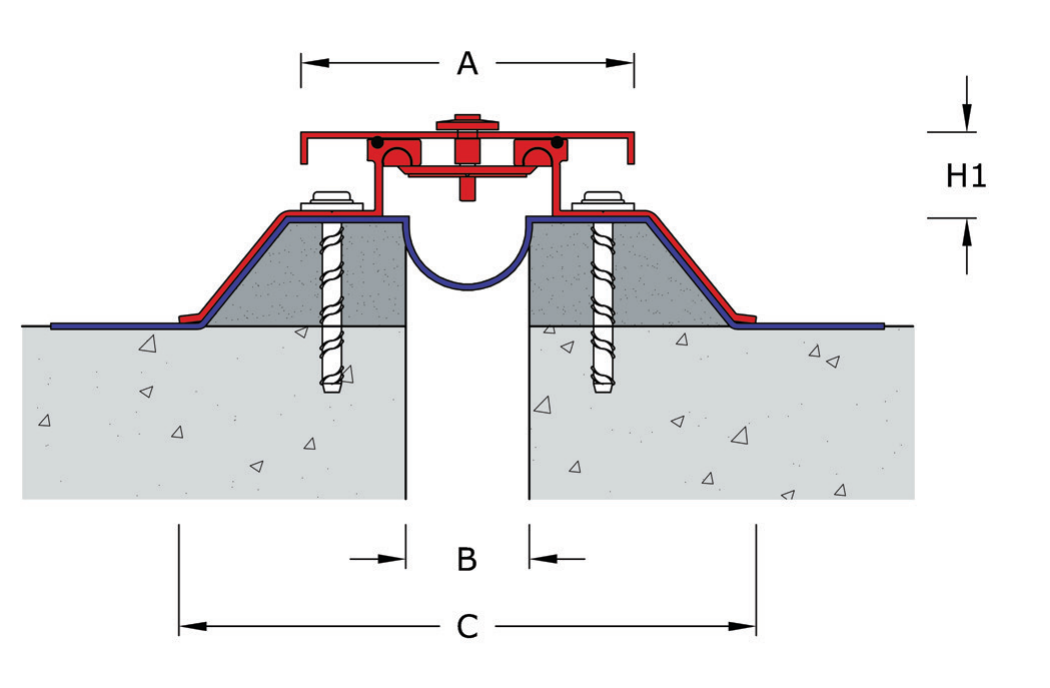 MegAtec 610External centre-plate roof joint, gaps 25–300 mmMade in IndiaRoof
How we knowFive separate dispatches between May 2025 and January 2026, each recorded against its own packing sheet. Gaps and systems are taken from the production and dispatch records for this job, not from a catalogue. Section drawings are illustrations, not shop drawings.
What this building needed
Installed in possessions, handed back section by section
Continuous footfall, luggage and porter trolleys crossing the line all day, and a work front available only in short windows. What decided the detail was that each length could be installed and handed back trafficable at the end of a shift. Five dispatches over eight months is what phased access looks like in the delivery record.
A seismic system on a Zone III site, because the blocks are separated
The schedule includes SeismAtec 450 alongside the MegAtec floor and wall systems. Chennai is Zone III and thermal movement here is modest — roughly half of Delhi's — but a station redevelopment joins new structure to old, and a separation between blocks is sized by the structural engineer's calculation, not by the thermal one.
Coastal exposure attacks the fixing, not the profile
Within a few kilometres of the sea the durability case is the fastener and the anchor, not the aluminium — mill-finish aluminium passivates, a carbon-steel screw in a coastal slab does not. The fixing schedule belongs in the BOQ rather than being left to site.
Related: expansion joints for metro rail · our work in Chennai · how the gap width is calculated · what the seismic zone changes.
Related projects
Building something similar?
Send GFC or concept drawings and we will return a location-by-location joint schedule, with the gap, the system and the movement class named.