
Tirupati Railway Station
Indian Railways / RLDA · Tirupati, Andhra Pradesh · MegAtec 610
Metro & rail · Seismic Zone III
One of five railway station redevelopments in our record, and the one that shows how narrow a station joint can legitimately be.
| Client | Indian Railways / RLDA |
|---|---|
| Location | Tirupati, Andhra Pradesh — Seismic Zone III under IS 1893 |
| Sector | Metro & rail |
| Gap range | 50 mm |
| Scope | Design of the joint schedule, manufacture in India, and installation by our own crews |
Systems supplied
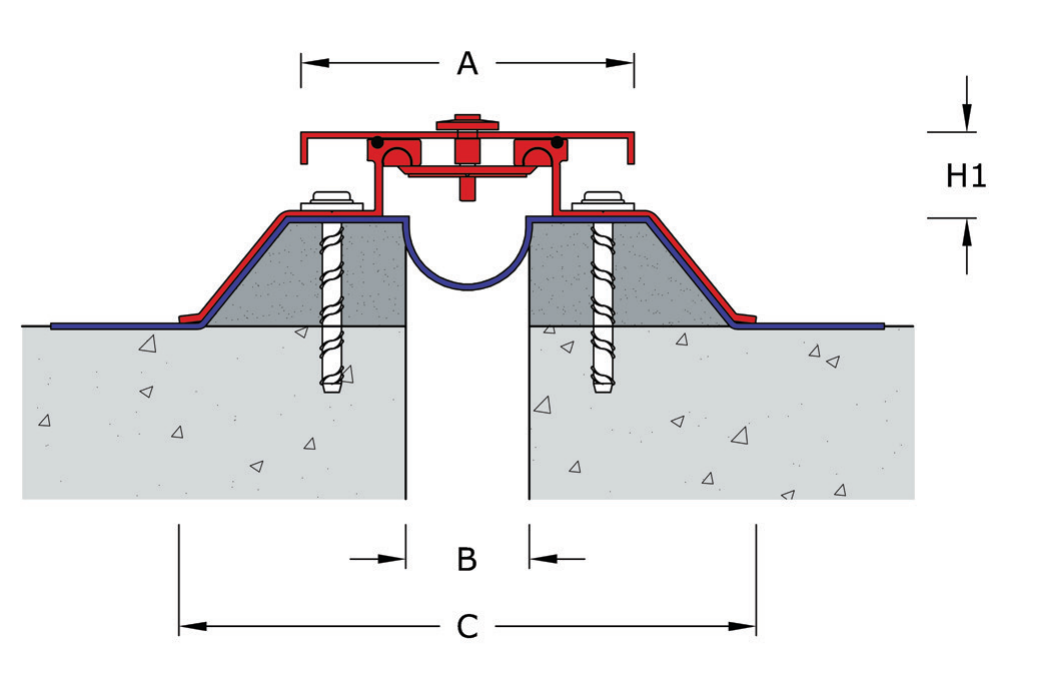
How we knowDispatched March and April 2026. Gaps and systems are taken from the production and dispatch records for this job, not from a catalogue. Section drawings are illustrations, not shop drawings.
What this building needed
A 50 mm gap on a station, which surprises people
Station buildings are long, but they are also broken into structurally independent bays, and a short bay in Zone III with a moderate thermal swing does not need a wide joint. Gap width follows the calculation, not the prestige of the building.
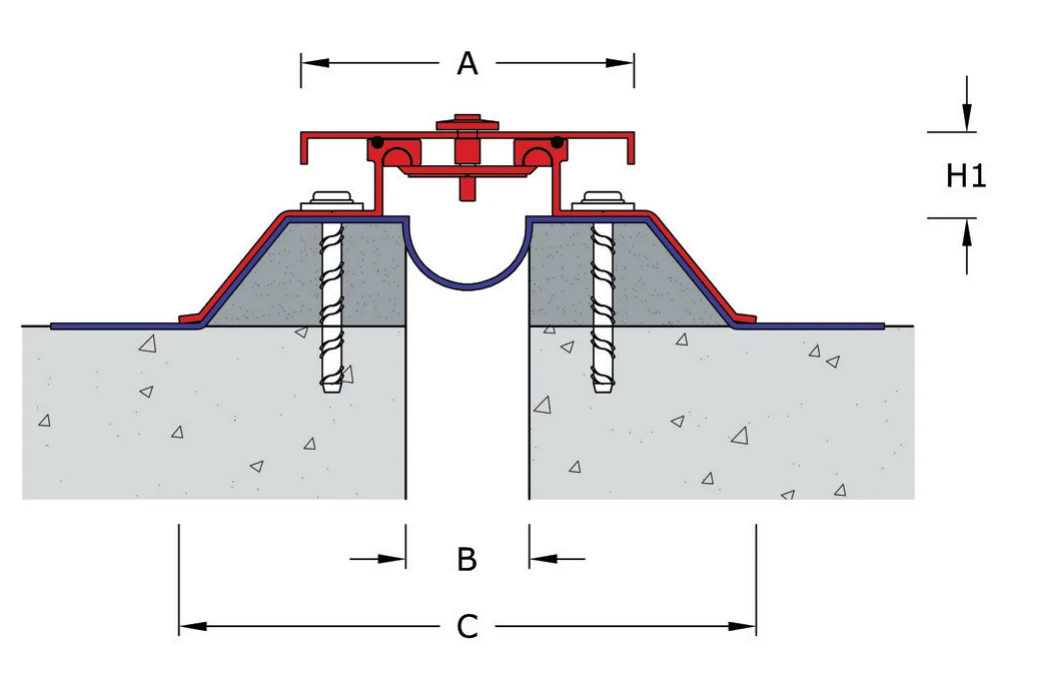
MegAtec 610 on the roof
The 610 is our roof joint: an external centre-plate system for roof-to-roof and roof-to-wall junctions, with the plate cut from sheet rather than extruded. Up there the deciding property is water, not traffic. The joint sits under sun and monsoon all year, so the moisture barrier beneath the cover, and how it is finished at the ends of the run, matter as much as the movement rating.
Part of the RLDA station redevelopment programme
Chennai Egmore, Chandigarh, Tirupati, Kollam and Ajni Nagpur. Five stations, four different states, one profile family — which is what an approved specification is supposed to achieve.
Related: expansion joints for metro rail · how the gap width is calculated · what the seismic zone changes.
Related projects
Building something similar?
Send GFC or concept drawings and we will return a location-by-location joint schedule, with the gap, the system and the movement class named.